

There is a particular kind of disaster that, in hindsight, nobody can quite believe was allowed to happen. The warning signs were visible. Someone, somewhere in the building, had run the numbers and gone pale….
Posts tagged Decision-Making

Decentralised Command: The Canonical Pair
Extreme Ownership and Turn the Ship Around! are the two most cited books on distributed authority in organisational settings, and they are superficially contradictory. One argues that a leader must own everything — total responsibility,…

“I Intend To”: Three Words That Move Authority
The mechanism sounds minor: change “request permission to do X” to “I intend to do X.” The person receiving the communication can still stop it — nothing prevents a senior officer from saying no. The…

Where Power Actually Sits
There is the authority an organisation chart describes, and there is the authority that actually operates. They overlap, but never completely, and the space between them is where a surprising amount of institutional life happens…
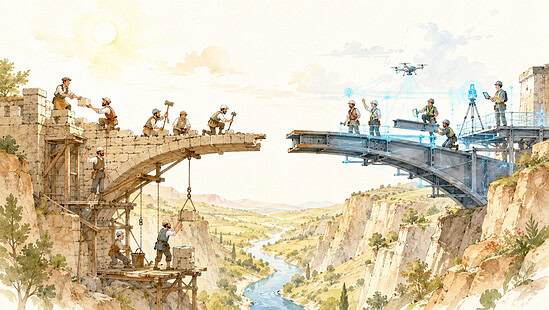
The Comprehension Gap
There is a failure mode that appears in organisations of every kind and at every scale. It is not caused by bad people, or greed, or negligence, though those things may compound it. It is…

Extreme Ownership: There Are No Bad Teams
The principle is deliberately stated without qualification: a leader owns everything in their world. Not the successes and some of the failures. Everything. If the team fails to perform, the leader failed to prepare, organise,…

Productive Conflict vs Artificial Harmony
When a meeting is very smooth — decisions reached quickly, no significant dissent, everyone aligned — it is tempting to read this as a sign of a well-functioning team. Lencioni’s model suggests almost the opposite:…
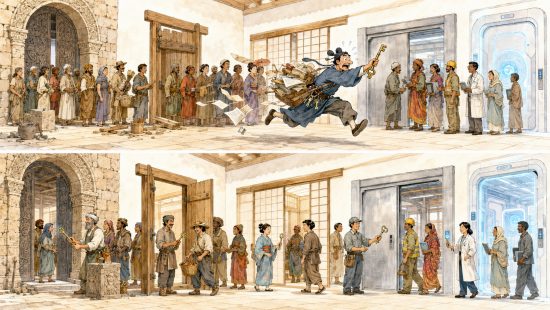
Move Authority to the Information
There is a standard model for how authority and information are supposed to interact in an organisation. The people at the top have the authority to make decisions. The people at the bottom have the…